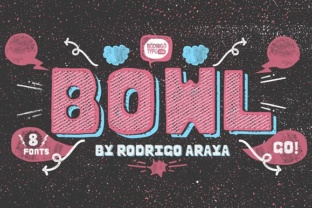
Bowl: The Playful Display Font That Makes Designs Pop
Ever scrolled past a brand’s Instagram post or packaging and immediately felt drawn in—without even reading the words? That magnetic pull often comes down to typography. A font like Bowl, a playful display typeface, does exactly that: it grabs attention, sets a mood, and makes your designs memorable in a crowded visual landscape. If you’re looking for a creative font that brings personality to your projects without sacrificing clarity, this one deserves a closer look.
What makes Bowl stand out is its rounded, friendly letterforms and slightly quirky character. It strikes a balance between modern simplicity and whimsical charm, making it versatile enough for both digital and print use. Whether you’re designing a logo for a new café, creating social media graphics for a lifestyle brand, or laying out an invitation for a community event, Bowl adds a touch of approachability and energy. It’s the kind of typeface that feels inviting—like a handwritten note from a friend, but with the consistency and professionalism needed for commercial work.
Where Bowl Shines: Real-World Applications
Let’s talk practical uses. If you run a small business, you know how crucial it is to have a cohesive brand identity. Bowl works beautifully in logo design, especially for brands in the food, wellness, children’s products, or creative services space. Its soft curves and open counters make it highly legible even at smaller sizes, which is a huge plus for packaging design where space is limited but readability is key.
For content creators and marketers, this font translates seamlessly into social media graphics. Think Instagram stories, Pinterest pins, or Facebook ads—places where you have just a second or two to make an impression. Bowl’s playful style naturally encourages engagement, making it ideal for calls-to-action, quotes, or promotional posts. Pair it with a clean sans serif font for body text, and you’ve got a balanced, professional look that doesn’t feel stiff.
Web designers will appreciate how Bowl adds character to landing pages, headers, and blog titles without overwhelming the overall layout. It’s also a smart choice for digital products like e-books, worksheets, or online course materials, where a touch of personality can make the content feel more relatable and less corporate. Print materials benefit too—think business cards, flyers, posters, and even merchandise like tote bags or mugs.
Pairing and Practicality: Using Bowl Effectively
One of the most common questions about display fonts is how to pair them. Bowl’s playful nature means it pairs best with more neutral typefaces. A simple sans serif like Open Sans or Lato for body text creates a clean contrast that lets Bowl’s personality shine without causing visual chaos. If you’re working on a project that requires a bit more elegance, a light serif font could also complement it nicely—just avoid anything too ornate or heavy.
Readability is always a priority, especially in longer text blocks. While Bowl is designed for headlines, titles, and short bursts of text, it’s not meant for paragraphs. Use it strategically where you want to draw the eye—like a hero banner, a product name, or a featured quote. For everything else, stick to a more traditional body font. This approach maintains visual hierarchy and ensures your message gets across clearly.
Another practical tip: check what font styles are included. Many premium fonts come with multiple weights or stylistic alternates, which can expand your design options. Bowl’s versatility across different weights allows you to create subtle variations while keeping the overall aesthetic consistent. This is particularly useful for branding projects where you might need a bold version for logos and a lighter one for subheadings.
Beyond Aesthetics: The Strategic Value of Good Typography
Choosing a font isn’t just about what looks good—it’s about what works. Bowl helps improve brand recognition because its distinctive style becomes associated with your visual identity. When customers repeatedly see the same typeface across your website, social media, and packaging, it builds familiarity and trust. That consistency is a cornerstone of effective branding.
For entrepreneurs and small business owners, investing in a commercial font like Bowl also signals professionalism. Free fonts are everywhere, but they often come with licensing restrictions or lack the refinement of a premium typeface. A well-crafted display font elevates your presentation, making your brand look more established and credible. It’s a subtle but powerful way to stand out, especially in competitive markets.
Lastly, think about your audience. Bowl’s friendly, approachable vibe resonates particularly well with younger demographics or communities that value creativity and authenticity. If your brand targets families, artists, or lifestyle enthusiasts, this font aligns naturally with those sensibilities. It’s not just about being different—it’s about being relevant.
In the end, Bowl is more than just a playful display font. It’s a design tool that helps you communicate your brand’s personality effectively. Whether you’re refreshing your visual identity, launching a new product, or simply looking for a creative font that makes your work pop, it’s worth exploring. Test it out, experiment with pairings, and see how it transforms your projects. Sometimes, the right typeface doesn’t just complete a design—it defines it.