This Blog: The Display Font That Makes Your Designs Pop
There's a moment in every creative project when you realize the typography isn't quite working. The message is right, the colors are on point, but something feels flat or generic. That's usually when a font like This Blog enters the conversation—a modern, cute display typeface designed to inject personality and visual warmth into everything from poster headlines to brand logos. If you've been searching for a typeface that balances playful charm with clean readability, this might be the creative asset your toolkit has been missing.
What Makes This Blog Visually Distinct
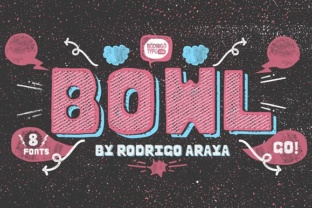
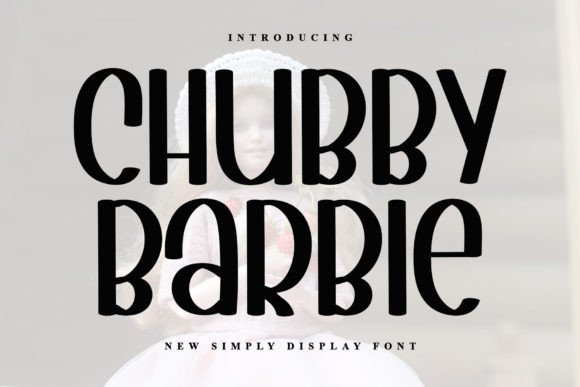
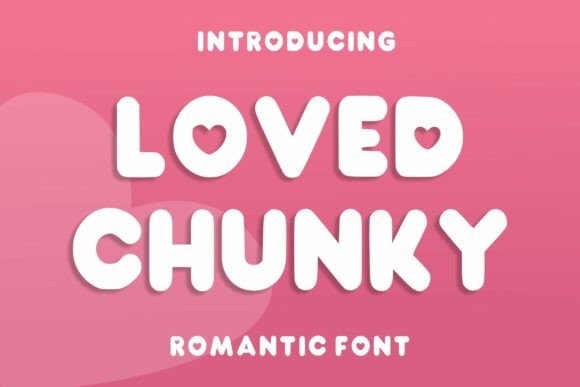
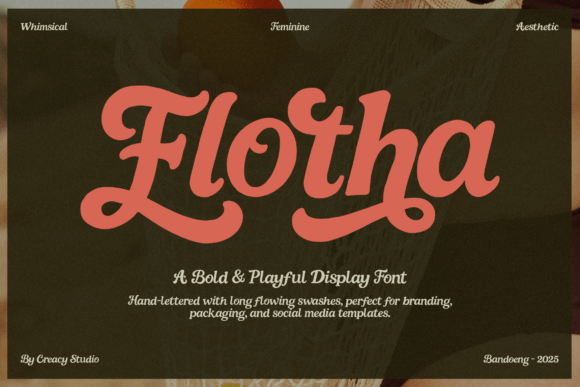
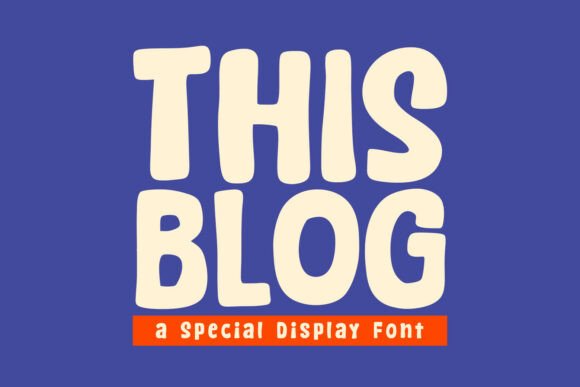
At its core, This Blog is a display font, which means it's built for impact rather than long-form body text. Think of it as the headline act—the typeface you reach for when you need a title, a logo wordmark, or a call-to-action to grab attention immediately. Its letterforms carry a modern sensibility with soft, rounded edges and a slightly playful rhythm. It doesn't feel stiff or corporate, but it also avoids veering into overly whimsical territory. That balance is surprisingly hard to find in the world of premium fonts.
The character set is clean and well-proportioned, which means each letter holds its own at both large and medium sizes. Whether you're setting a blog header at 48 pixels or scaling it up for a printed banner, the shapes remain consistent and legible. This kind of versatility matters more than people realize—especially when you're working across multiple platforms and formats in a single campaign.
Where This Typeface Truly Shines
Let's talk about real-world applications, because that's where a font earns its place in your design library. This Blog works exceptionally well for projects that need to feel approachable, modern, and visually engaging without sacrificing clarity.
Branding and Logo Design: If you're building a brand identity for a lifestyle blog, a boutique shop, a wellness studio, or a creative agency, this font offers a distinctive voice. It's expressive enough to stand alone as a logo wordmark, yet versatile enough to pair with a simpler sans serif font for supporting text. Small business owners often struggle to find typography that feels professional without being boring—this typeface threads that needle nicely.
Packaging and Product Labels: For entrepreneurs selling physical goods—candles, skincare, artisan foods, handmade accessories—packaging design is everything. A modern display font like this one can elevate a label from "homemade" to "professionally curated" without losing the warmth and personality that makes independent brands appealing in the first place.
Social Media Graphics: Content creators and marketers know the drill: you have roughly two seconds to stop someone from scrolling. Bold, stylish typography on Instagram posts, Pinterest pins, and Facebook ads makes a measurable difference. This Blog has the visual weight to perform well in crowded feeds, especially when paired with strong photography or illustration.
Editorial and Print Design: Magazine covers, book titles, event posters, and zine layouts all benefit from a display font with personality. This typeface brings a contemporary feel to editorial design projects, working particularly well for lifestyle, fashion, food, and creative industry publications.
Invitations and Event Materials: Wedding invitations, party flyers, workshop announcements—these are spaces where typography sets the emotional tone. The cute, modern character of this font lends itself to celebratory and personal projects that need to feel special without looking overly formal.
Websites and Blogs: While display fonts aren't ideal for paragraph text, they're perfect for hero sections, navigation menus, section headers, and featured content titles. Using This Blog strategically on a website can create visual hierarchy and give your digital presence a polished, intentional look.
How the Right Display Font Improves Your Work
Typography does more than spell out words—it communicates tone, builds recognition, and guides the viewer's eye. When you choose a typeface that aligns with your project's goals, several things start to improve across the board.
Visual Consistency: Using one well-chosen display font across your marketing assets—from social posts to email headers to printed materials—creates a cohesive look. People start to associate that visual style with your brand, which strengthens recognition over time. You don't need a dozen fonts; you need the right one applied consistently.
Audience Engagement: There's real psychology behind how people respond to typography. A font that feels warm and approachable can make readers linger on your content longer. A font that feels stale or overused can make even great content feel generic. This Blog falls into the first category—it invites people in rather than pushing them away.
Professional Presentation: Whether you're pitching a client, launching a product, or publishing a blog, the typography you use signals your level of care and attention to detail. A polished, modern typeface suggests that the person behind the project takes their work seriously. It's a subtle cue, but it matters—especially in competitive markets where first impressions are everything.
Practical Tips for Working with This Blog
Getting the most out of any creative font requires a bit of intentionality. Here are some practical considerations to keep in mind as you start incorporating This Blog into your projects.
Test Font Pairings Before Committing: Display fonts rarely work alone. You'll almost always need a secondary typeface for body text, captions, or supporting information. Try pairing this font with a clean sans serif like a geometric or humanist typeface, or even a simple serif for a more editorial feel. Set a few sample layouts and see how the two fonts interact at different sizes. The goal is contrast without conflict.
Consider Readability at Every Size: While This Blog is designed for display use, you still want to make sure it reads clearly at the sizes you'll actually be using. Test it at the dimensions of your Instagram graphics, your printed flyers, your website headers. If any letter combinations feel ambiguous or if the spacing feels off, adjust your tracking or consider using it only at larger sizes where it performs best.
Review All Included Styles: Many premium fonts come with multiple weights, alternates, or stylistic variations. Take a few minutes to explore everything included in the font package. You might discover a ligature, an alternate character, or a weight variation that perfectly suits a specific project. Knowing your full toolkit saves time and sparks creative ideas you wouldn't have considered otherwise.
Match Typography to Your Project's Personality: Not every font fits every project, and that's perfectly fine. This Blog excels in contexts that call for modern warmth and visual charm—a bakery's branding, a lifestyle blog, a children's product line, a creative portfolio. It might not be the right choice for a law firm's annual report or a fintech app's dashboard. Understanding where a font belongs is just as important as knowing how to use it.
Understand Your Licensing: Before using any font in commercial work—logos, merchandise, client projects, products for sale—make sure you understand the licensing terms. Most premium fonts offer commercial licenses, but the specifics can vary. Some licenses cover unlimited projects; others are per-project. Reading the fine print protects you legally and ensures you're using design assets responsibly.
Building a Thoughtful Font Library
Every designer, content creator, and business owner benefits from having a small, curated collection of reliable typefaces. You don't need hundreds—you need a handful that cover your range of needs. A strong sans serif for body text, a versatile serif for editorial work, a script or handwritten font for personal touches, and a standout display font for headlines and branding. This Blog fits neatly into that last category, offering a modern, approachable personality that complements a wide variety of design styles.
The best creative decisions happen when you choose tools that align with the feeling you want to communicate. Typography is one of the most powerful—and most overlooked—ways to shape how your audience experiences your work. A font that feels right for your project can transform a good design into something people genuinely remember.
If you've been looking for a display font that brings modern charm, clean structure, and genuine versatility to your creative projects, This Blog deserves a closer look. Try it on your next poster, logo concept, or social media campaign and see how it changes the conversation between your design and your audience.