Parallel Retro: Geometric Lines Meet 70s Futurism
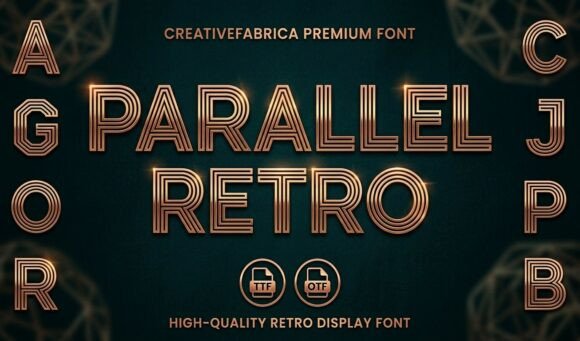
Finding a typeface that perfectly captures a specific mood—say, the optimistic futurism of the late 70s—without feeling dated or derivative is a genuine challenge for modern creatives. You want that nostalgic energy, but you also need something that functions in a contemporary digital landscape. This is precisely where the concept of structural typography comes into play. Instead of relying on heavy ink traps or wild swashes, some fonts derive their impact from pure geometry. Enter Parallel Retro, a striking multi-line display font that transforms standard letterforms into intricate, continuous geometric patterns.
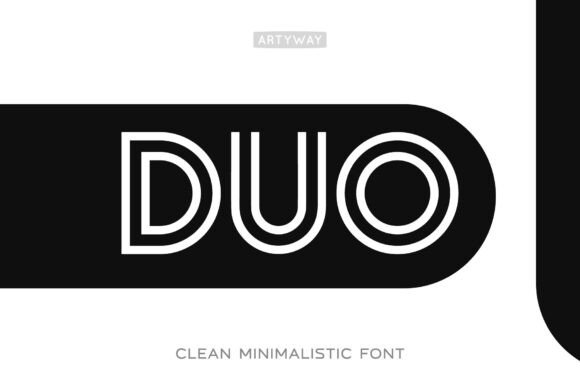
Imagine looking at a blueprint of a city or a complex circuit board where the paths never break. That is the visual logic behind this typeface. Each character is constructed not from a single stroke, but from crisp, continuous parallel lines. It is a design choice that creates an immediate sense of depth and texture, giving off a fantastic retro vibe while simultaneously feeling modern and slightly labyrinthine. If you are working on a project that demands a bold visual statement—whether it is a logo for a tech startup, a header for a music festival, or packaging for a niche product—understanding how to leverage this style can be a game-changer for your visual communication.
A Visual Journey Through the Maze
What makes Parallel Retro so visually compelling is its ability to trick the eye. At first glance, it reads as a solid, heavy display typeface. Look closer, and you realize it is actually a system of tunnels or a maze. This duality is what makes it such a valuable asset in a designer’s toolkit. It offers the "weight" needed to anchor a design—ensuring it doesn't get lost on a busy poster or a crowded homepage—but it provides the "detail" that keeps a viewer engaged for longer than a millisecond.
This font isn't just about looking cool; it is about creating a specific atmosphere. The aesthetic leans heavily into the "Retro-Futurism" genre. It recalls the era of disco, early computing, and sci-fi cinema, yet the precision of the vector lines keeps it firmly rooted in modern digital design standards. It is versatile enough to bridge the gap between a gritty, vintage streetwear brand and a sleek, high-tech music label.
Strategic Applications for Modern Creatives
When you are investing in a premium font, you need to know that it will perform across various mediums. Because Parallel Retro is a multi-line display font, it is designed to shine at larger scales. It is not intended for body copy in a legal document, but it is arguably unmatched for high-impact headers.
Consider the following applications where this geometric style can elevate your work:
- Branding and Identity: For a brand identity that needs to stand out, a font like this acts as a logo in itself. It is perfect for tech companies, music production studios, or creative agencies that want to project an image of innovation and structure.
- Event Promotion: If you are designing posters for a club night, a retro-themed festival, or a gallery opening, the "labyrinth" effect creates an energetic focal point. It naturally draws the eye inward.
- Apparel and Merchandise: The texture of the parallel lines translates exceptionally well to screen printing and embroidery. On a hoodie or a tote bag, the intricate line work adds a tactile quality that flat fonts often lack.
- Editorial and Packaging Design: In packaging design, especially for products like craft beer, vinyl records, or artisanal electronics, the font adds a layer of craftsmanship. It suggests that the product inside is complex and well-made.
One of the most practical benefits of using a structured typeface is the consistency it brings to your layout. The geometric nature of the letters provides a rigid grid-like foundation, which can help organize other chaotic design elements like photography or illustration.
Mastering Typography and Font Pairings
Using a display font effectively requires a bit of strategy, particularly when it comes to hierarchy and pairing. Because Parallel Retro has such a strong, intricate personality, it needs a partner that knows how to play a supporting role without competing for attention.
The general rule of thumb for modern typography is contrast. If your headline is complex and geometric, your subheadings and body text should be simple and clean. You wouldn't want to pair Parallel Retro with a busy script font or a highly decorative serif font; that would result in visual noise that makes your design impossible to read.
Instead, look toward neutral sans-serif fonts. A clean, geometric sans-serif (like a Futura or Helvetica style) works beautifully because it echoes the geometric roots of Parallel Retro without the complexity. Alternatively, a classic, highly legible serif font can create a sophisticated "Old meets New" contrast, which works well for editorial layouts or high-end branding.
When testing your font pairings, pay attention to the "x-height" and the overall weight. Since Parallel Retro is a heavy, multi-line font, it has a lot of visual weight. If you pair it with a body font that is too light or thin, the hierarchy might look unbalanced. Ensure your supporting text has enough "body" to hold its own against the intricate header, but remains simple enough to ensure readability.
Readability and Technical Considerations
It is important to address the elephant in the room with any multi-line or decorative typeface: readability. While Parallel Retro is legible at poster sizes, it is not designed for small text. If you shrink it down to 12pt for a business card address line, the parallel lines will merge into a solid, muddy block.
To get the most out of this asset, you must respect its intended scale. Use it for titles, headers, and large pull quotes where the line work can be appreciated. If you are using it for a logo, ensure the final application size is large enough to show off the geometric detail.
Additionally, when choosing a font style for commercial use, always review the licensing. Most premium font licenses allow for a specific number of users or devices. If you are a freelancer creating a logo for a client, you usually need to ensure the client has the appropriate license to use the font in their final assets (like their website or packaging). Always double-check the End User License Agreement (EULA) provided by the foundry to avoid legal headaches down the road.
Injecting Energy into Your Next Project
Visual fatigue is a real problem in design. Audiences scroll past thousands of generic images a day. To stop the scroll, you need something that feels distinct. Parallel Retro offers that distinction. It is a creative font that serves as a design element on its own.
Whether you are a small business owner trying to launch a unique product, a content creator looking for a signature style for your thumbnails, or a designer working on a complex branding project, this typeface provides a solution that is both nostalgic and forward-thinking. It bridges the gap between the organic feel of hand-drawn art and the precision of digital vector graphics. By incorporating this geometric style into your workflow, you aren't just choosing a font; you are adopting a visual language that speaks of complexity, structure, and creative energy.