Pinky Peace: Injecting Groovy, Bubbly Personality into Your Brand
If you’ve been scrolling through design trends lately, you’ve likely noticed a massive resurgence of nostalgia. From Y2K aesthetics to 70s funk, the digital world is embracing thick lines, retro vibes, and unapologetically loud visuals. Standing out in this crowded visual landscape requires a typeface that doesn’t just sit quietly on the page but demands attention. Enter the Pinky Peace display font, a typeface that channels the energy of a "groovy era" with a modern, playful twist. It’s not just a font; it’s a mood board in a single download.
For designers, small business owners, and content creators, finding a premium font that balances distinctiveness with readability can be a challenge. You want something that captures the eye immediately—perfect for logo design or a social media header—but it also needs to be versatile enough for packaging design and merchandise. The Pinky Peace typeface answers this call with its bold, bubbly silhouette and "heart" counters, offering a massive dose of personality that feels straight off a vintage sticker sheet. Let’s dive into how this unique display font can transform your creative projects and help you build a brand identity that resonates with a Gen Z or nostalgia-loving audience.
The Anatomy of a Retro-Modern Typeface
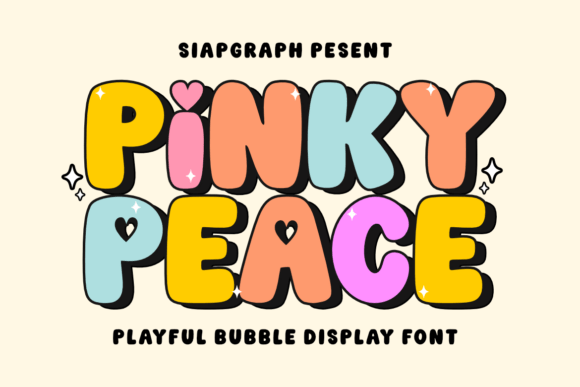
What makes Pinky Peace so visually arresting? It’s all in the construction. Unlike standard sans serif font options that prioritize neutrality, this typeface leans into maximalism. The characters feature thick, soft edges and a chunky, 3D-inspired silhouette that feels tactile and warm. The specific inclusion of "heart" counters—the negative space inside letters like 'o' and 'e'—adds a layer of whimsy that softens the heavy weight of the letters. This isn't your standard corporate typography; it’s modern typography with a heartbeat.
When you are working on brand identity, the "feel" of the letters is just as important as the words they spell. A font like this communicates approachability, fun, and a relaxed confidence. It avoids the rigidity of geometric shapes, making it an ideal candidate for brands that want to project positivity and creativity. Whether you are designing for a streetwear label, a creative agency, or a local bakery, the visual weight of this creative font ensures that your message is seen and felt.
Practical Applications for Maximum Impact
Understanding where to use a display font is key to effective design. Because of its bold nature, Pinky Peace is not designed for long-form body text like a serif font or a standard sans serif font might be. Instead, it shines brightest in high-impact scenarios where brevity and style are the priorities.
Here are some practical ways to integrate this typeface into your workflow:
- Logo Design and Branding: If your brand targets a younger demographic or wants to evoke a sense of nostalgia, this font is a powerhouse. It creates an instant emotional connection, making your logo memorable and highly recognizable.
- Merchandise and Apparel: The 3D-inspired silhouette translates exceptionally well to physical goods. Think bold t-shirt graphics, embroidered patches, and die-cut stickers. The thick strokes ensure that the design remains legible and impactful even from a distance.
- Digital Marketing and Social Media: In the fast-paced world of Instagram and TikTok, you have milliseconds to grab attention. Use this typeface for high-impact social media headers, story titles, and promotional banners. It pairs beautifully with vibrant, contrasting colors to create a Y2K or retro-revival aesthetic.
- Event Posters and Invitations: Hosting a launch party, a festival, or a creative workshop? This font sets the tone immediately. It suggests that the event will be fun, energetic, and visually stimulating.
- Editorial Design: While not for body copy, it works wonderfully for pull quotes and magazine headers, breaking up the monotony of traditional editorial design layouts.
Mastering the Art of Font Pairing
One of the most common questions in typography is how to handle font pairing. A font with as much personality as Pinky Peace needs a supporting cast that doesn’t compete with it. Because this typeface is decorative and heavy, you should pair it with something clean, legible, and understated.
A classic sans serif font with a light or regular weight often works best for body text. This contrast allows the display font to do the heavy lifting for headlines while the supporting font provides the necessary readability for longer descriptions. Avoid pairing it with a busy script font or a highly decorative handwritten font, as this will create visual chaos and confuse the reader’s eye.
Practical Tip: When testing your pairings, look at the x-height and the overall "vibe." A geometric sans-serif often complements the rounded, bubbly nature of the Pinky Peace typeface, creating a harmonious balance between playfulness and structure.
Technical Considerations and Usability
For the practical designer, aesthetics are only half the battle. Technical functionality is equally important. One of the standout features of this typeface is its PUA encoding (Private Use Areas). In simple terms, this means that all special characters, alternates, and decorative elements are easily accessible. You don't need advanced design software or expert knowledge of glyph panels to access the full range of the font's features. This is a massive time-saver for entrepreneurs and hobbyists who may be using standard design tools or even web-based editors.
Furthermore, when investing in a commercial font, always review the licensing. Ensure that the license covers your intended use, whether it’s for physical products like merchandise or digital assets like website graphics. A high-quality design asset should come with clear terms that allow you to scale your business without legal headaches.
Visual Consistency and Brand Recognition
Consistency is the backbone of successful branding. When you use a distinctive typeface like Pinky Peace across your touchpoints—from your website headers to your packaging—you create a cohesive visual language. This repetition helps build brand recognition. A customer should be able to spot your style on a crowded shelf or a busy social media feed instantly.
However, readability considerations must always come first. While the font is designed to be legible at larger sizes, always test your designs in context. How does it look on a mobile screen? Is the text still readable when printed on a textured paper? By reviewing the included font styles and testing across different mediums, you ensure that your professional presentation remains top-notch. Ultimately, the goal of using a font with such a strong personality is to foster audience engagement—inviting people to stop, look, and smile. By leveraging the unique charm of this bubbly display font