The Beatcher: A Font That Brings Bold Character to Your Brand
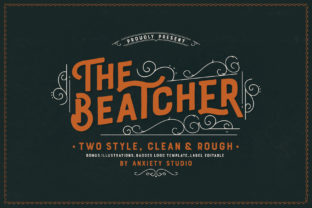
There’s a moment in every creative project where the typography either clicks or clashes. You’ve got the imagery, the color palette, the core message—but the font feels flat, generic, or forgettable. If you’ve ever struggled to find a typeface that carries genuine personality without sacrificing versatility, you’re not alone. The Beatcher is a striking display font designed to solve that exact problem. It arrives in two complementary styles—regular and rough—giving you a dynamic toolkit that works across everything from logo design to packaging, posters, and social media graphics.
Why Font Personality Matters More Than You Think
Typography isn’t just about legibility; it’s about tone. A serif font whispers tradition and reliability. A sans serif font signals clarity and modernity. A script or handwritten font adds warmth and intimacy. The Beatcher occupies a distinct space in the display font category—it’s bold, confident, and carries a textured edge that feels handcrafted yet polished. That combination makes it particularly useful for brands and creators who want to stand out without looking over-designed.
Think about the brands you recognize instantly. Their visual identity often hinges on a few consistent elements: a logo, a color scheme, and a typeface that becomes synonymous with their voice. The Beatcher offers that kind of memorability. Its regular version provides clean, structured letterforms ideal for headlines and branding applications. The rough version adds a tactile, distressed quality that works beautifully for projects needing a more organic, artisanal feel. Used together, they create visual hierarchy and depth—essential for packaging design, editorial layouts, and marketing assets.
Practical Applications Across Creative Projects
One of the strongest arguments for choosing a premium font like The Beatcher is its range. It’s not a one-trick typeface locked into a single aesthetic. Here’s where it genuinely shines:
- Logo Design and Brand Identity: A display font with character helps establish brand recognition from the first glance. The Beatcher’s bold presence makes it suitable for wordmarks, taglines, and lockups that need to communicate confidence.
- Packaging and Labels: Whether you’re designing for a coffee brand, a craft brewery, or a boutique candle line, the rough version adds an artisanal quality that suggests handcrafted care.
- Posters and Large-Scale Prints: Display fonts are built for impact. The Beatcher holds up beautifully at scale, making it a strong choice for event posters, retail signage, and gallery walls.
- Social Media Graphics and Digital Content: In a feed full of generic sans serif overlays, a distinctive typeface stops the scroll. Use it for quote graphics, promotional banners, or branded story templates.
- Merchandise and Apparel: T-shirt designers and print-on-demand creators often need fonts that look great on fabric. The textured rough style adds authenticity to apparel graphics.
- Invitations and Greeting Cards: From wedding suites to holiday cards, the handwritten quality of the rough version brings warmth and personality to stationery design.
- Editorial and Web Design: While display fonts aren’t ideal for body copy, The Beatcher works well for pull quotes, section headers, and blog titles that need visual punch.
Beyond the Font: Included Design Assets
What sets The Beatcher apart from many creative fonts in its class is the bonus material included with the package. You’re not just getting a typeface—you’re receiving a set of illustrations, logo badges, and logo templates in AI and EPS formats. For small business owners or content creators who may not have extensive design resources, these assets offer a practical head start. Combine the provided illustrations with the font to build cohesive brand identities, packaging mockups, or promotional materials without starting from scratch.
This kind of bundled approach is particularly valuable for entrepreneurs managing their own visual branding. Instead of purchasing separate design assets, you have complementary elements that were created to work together. That visual consistency—where the typography, illustrations, and badge designs share a unified aesthetic—translates directly into a more professional presentation.
Matching Typography to Project Goals
Choosing the right font style isn’t just a design preference; it’s a strategic decision. Before selecting The Beatcher—or any display font—consider the following:
- Define the Tone: Is your project meant to feel bold and energetic, or refined and understated? The regular version leans cleaner and more structured, while the rough version introduces grit and texture.
- Consider the Medium: A font that looks stunning on a poster may not translate well to small-scale web use. Test your chosen style at the actual size it will appear in the final output.
- Think About Pairing: Display fonts rarely work alone. Pair The Beatcher with a neutral sans serif or a simple serif font for body copy. This contrast creates balance and ensures readability across different content types.
- Review Licensing: If you’re using the font for commercial projects—client work, merchandise, or branded products—confirm the licensing terms cover your intended use. Most premium fonts include commercial licenses, but it’s always worth verifying.
Building Visual Consistency Across Platforms
One of the biggest challenges for brands and creators is maintaining a cohesive look across multiple channels. Your website, social media profiles, printed materials, and packaging should feel like they belong to the same family. A versatile display font like The Beatcher makes this easier. By using the regular version for primary headlines and the rough version for accent elements—like callouts, badges, or promotional graphics—you create a visual system that feels unified without being monotonous.
This approach also supports brand recognition. When your audience sees consistent typography across your Instagram posts, your product labels, and your email newsletters, they begin to associate that visual language with your brand. That’s the foundation of effective visual identity work—repetition with purpose.
Readability Considerations for Real-World Use
Display fonts are designed for impact, not for extended reading. That’s an important distinction. Use The Beatcher where it excels: headlines, logos, short phrases, and call-to-action text. Avoid setting paragraphs or long-form content in any bold display typeface, as it quickly becomes fatiguing for readers. Instead, pair it with a highly readable body font—something like a clean sans serif or a classic serif—and let each typeface do what it does best.
Test your designs in context. A font that looks perfect in a design application may behave differently on a printed label, a mobile screen, or a billboard. Print proofs, check screen renders at multiple resolutions, and gather feedback from people outside your creative bubble. Practical testing prevents costly revisions down the line.
A Typefaces Built for Creative Freedom
The Beatcher isn’t trying to be everything to everyone. It’s a display font with a clear point of view—bold, textured, and versatile enough to support a wide range of creative applications. Whether you’re building a brand from the ground up, refreshing your visual identity, or designing a one-off promotional piece, having a typeface with genuine character makes the work more effective and more enjoyable. Pair it with thoughtful design decisions, test your font pairings, and let the included assets accelerate your process. The rest is up to your imagination.