Why Lemon Water is Your Next Secret Weapon for Playful Design
There’s a specific kind of challenge that comes with designing for a younger audience. You need to capture attention instantly, communicate warmth, and maintain a sense of whimsy without looking unprofessional. It’s a delicate balance. You’ve probably scrolled through endless font libraries, looking for that perfect typeface that feels energetic but not chaotic, friendly but not childish. When you finally find a display font that hits that sweet spot, it changes the entire dynamic of your project. It becomes the glue that holds your visual story together.
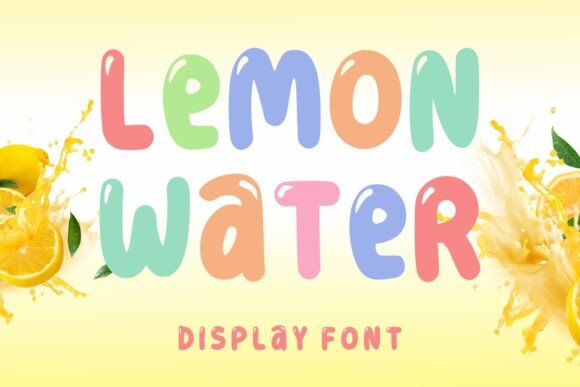
That’s exactly the kind of energy Lemon Water brings to the table. It’s a display font designed specifically to be cute, bright, and undeniably fun. If your creative work involves children’s brands, playful packaging, or vibrant digital content, this typeface might just be the missing piece you’ve been searching for. It’s not just about making text readable; it’s about making the text feel like part of the celebration.
The Psychology of Playful Typography
Typography does more than spell out words; it sets the mood. When you use a heavy, industrial sans serif font for a bakery logo, it feels out of place. Conversely, using a whimsical handwritten font for a corporate law firm looks untrustworthy. Lemon Water sits firmly in the camp of joy and imagination. Its visual curves and bright personality make it an ideal candidate for projects where the goal is to elicit a smile.
Think about the parents, gift-givers, and educators who interact with your designs. They are looking for something that feels safe, happy, and high-quality. A well-chosen display font like this one helps bridge that gap immediately. It signals to the viewer that the content is approachable and designed with care. Whether you are a small business owner launching a new toy line or a content creator building a YouTube channel for kids, the visual consistency provided by a strong typeface helps build brand recognition faster than almost any other design element.
Practical Applications for Every Creative
One of the best things about a versatile display font is how many different places you can use it. It’s not limited to just one medium. If you invest in a premium font, you want to know you can get your money’s worth across various assets. Lemon Water excels in environments where you need text to pop off the screen or page. It pairs beautifully with bright and pastel colors, creating a high-contrast, engaging visual hierarchy.
Here are some real-world ways you can integrate this typeface into your workflow:
- Branding and Logo Design: A logo needs to be memorable. If you are launching a children’s clothing line or a daycare center, this font style instantly communicates your niche. It acts as a visual shorthand for "fun."
- Packaging Design: Shelf appeal is everything. Imagine a juice box, a set of stickers, or a toy package. The Lemon Water font grabs the eye with its bright aesthetic, making the product stand out against competitors.
- Social Media Graphics: In the fast-scrolling world of Instagram and TikTok, you have milliseconds to catch attention. Use this font for bold headlines on your graphics. It’s perfect for announcements, sale posts, or story highlights that need to feel energetic.
- Invitations and Print Materials: Birthday parties, baby showers, and school events all require a specific tone. This typeface brings the party vibe to the invitation before the guest even reads the details. It also works well for posters and flyers.
- Merchandise: T-shirts, tote bags, and mugs often rely on short, punchy phrases. A creative font like this turns a simple word into a graphic design element on its own.
- Websites and Blogs: While you generally want a clean sans serif or serif font for body text to ensure readability, display fonts are essential for headers. Using Lemon Water for your H1 and H2 tags can break up the visual monotony and guide the reader’s eye down the page.
Mastering Font Pairings and Readability
While a display font is fantastic for headlines, it’s rarely a good idea to use it for long paragraphs of text. That’s a common mistake in typography. Highly stylized fonts can become difficult to read when used at small sizes or in large blocks. The goal is to use Lemon Water as the "voice" of the headline, and then use a supporting actor for the rest of the content.
So, what pairs well with a bright, handwritten-style display font? You generally want to look for contrast.
- Try a Clean Sans Serif: Fonts like Montserrat, Open Sans, or Lato provide a neutral, modern backdrop. They allow the playful nature of the display font to shine without competing for attention.
- Consider a Soft Serif: If you want a slightly more sophisticated look that still feels warm, a rounded serif font can complement the curves of the display typeface.
- Check the Weight: Ensure the weight of your body text matches the visual "heaviness" of the display font. If Lemon Water is used in a bold weight, your body text shouldn't be too thin, or the layout will look unbalanced.
Always test your pairings in context. Don't just look at them side-by-side in a design tool. Mock them up on a business card, a mobile phone screen, or a product label. Readability is paramount. If a potential customer has to squint to read your message, you’ve lost them.
Aligning Typography with Brand Goals
As a designer or business owner, your typography choices are strategic decisions. Every font carries a specific personality. Lemon Water carries a personality of brightness, innocence, and creativity. If your brand identity is serious, corporate, or minimalist, this font might clash with your core values. However, if your brand values are rooted in imagination, education, joy, or family, this typeface is a natural fit.
When reviewing design assets, look for versatility. Does the font include different styles? Does it support multiple languages? Is the licensing clear for commercial use? These are the practical details that separate a hobby project from a professional brand. Using a high-quality, premium font ensures that your design scales well—whether it’s printed on a massive banner or viewed as a tiny favicon in a browser tab.
Ultimately, the goal is to create a cohesive visual language. When your typography matches your imagery and your brand voice, you create an immersive experience for your audience. Lemon Water