Why Lucky Might Be Your New Favorite Font for Friendly Designs
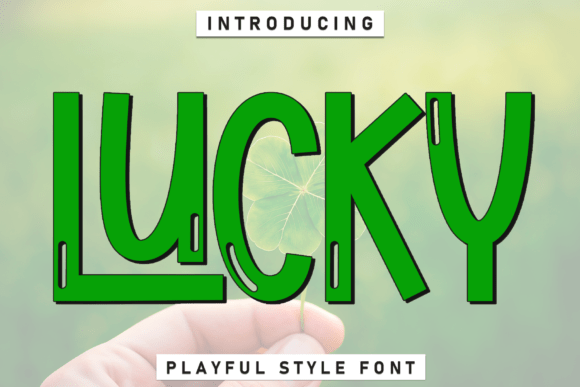
There’s something undeniably magnetic about a design that feels personal, approachable, and full of life. In a world saturated with sleek, impersonal digital interfaces, a touch of warmth and whimsy can make your project stand out in the best way possible. This is where a typeface like the Lucky handwritten display font enters the conversation. It’s not just a set of letters; it’s a mood, a feeling, and a direct line to creating visuals that resonate on a human level. Designed to infuse projects with a sweet and friendly aura, its engaging, fun demeanor makes it a surprisingly versatile tool for creators who want to inject personality into their work.
More Than Just a Pretty Script
At first glance, you might categorize Lucky simply as a handwritten font or a script font. While it certainly fits those descriptions, its true value lies in its balanced character. Unlike overly casual or hard-to-read scripts, Lucky strikes a charming middle ground. Its letterforms are crafted with a playful, flowing rhythm that feels spontaneous yet remains remarkably legible. The slight variations in stroke weight and the gentle curves give it an authentic, hand-lettered quality without descending into chaos. This makes it a premium font choice that avoids the common pitfalls of display typefaces—namely, sacrificing readability for style. Whether you’re setting a headline for a blog or crafting a logo, you need your message to be understood. Lucky delivers on that front, wrapping its message in a coat of irresistible charm.
This personality makes it a fantastic asset for specific design goals. Think about the projects that thrive on connection: wedding invitations that hint at the couple’s joyful spirit, greeting cards that feel like a warm hug, or packaging design for artisanal products that tells a story of care and craftsmanship. For small business owners and entrepreneurs, especially in the lifestyle, beauty, food, or children’s product spaces, this font can become a cornerstone of your brand identity. It communicates approachability, creativity, and a hands-on ethos before a customer even reads a word of your copy.
Practical Applications Across Your Creative Universe
The real test of any creative font is how it performs in the wild. Let’s move beyond theory and look at where Lucky can genuinely add value to your projects.
Branding and Logo Design: If your brand voice is friendly, whimsical, or artisanal, Lucky can be a powerful component of your logo design. It works beautifully as a primary wordmark for businesses like bakeries, boutique studios, craft shops, or personal blogs. The key is to use it intentionally. Pair it with a clean, simple sans serif font for body text to ensure your brand materials are both charming and professional. This combination creates a clear visual hierarchy and maintains readability across different media.
Digital Presence and Marketing: In the fast-scrolling world of social media graphics, stopping power is everything. A quote card, a promotional announcement, or a story highlight using Lucky can instantly feel more personal and engaging than the same text in a standard system font. For websites, consider using it for section headers, hero text, or call-to-action phrases to draw the eye and set a welcoming tone. It’s also perfect for digital products like downloadable planners, inspirational art prints, or e-book covers, adding a perceived value and cohesive aesthetic.
Print and Physical Goods: This is where the tactile nature of Lucky truly shines. Imagine it on merchandise like tote bags, mugs, or t-shirts—it translates a digital charm into a physical product people love to use. For editorial design in magazines or lookbooks, it can be used for pull quotes, feature titles, or section breaks to add a burst of visual interest. Posters for local events, farmers' markets, or workshops gain an instant community feel. Of course, its most classic application remains invitations and stationery, where its handwritten quality feels inherently personal and celebratory.
Integrating Lucky into Your Design Workflow
Adopting a new font is about more than just liking how it looks in a preview. To use it effectively and build visual consistency, you need a strategy.
First, understand its role. Lucky is a display font. Its job is to headline, accent, and delight. It is not designed for setting long paragraphs of body copy. Trying to force it into that role will hurt readability and tire your audience’s eyes. Use it for short, impactful text—headlines, logos, taglines, and buttons—and pair it with a highly legible serif font or sans serif font for longer text. A good font pairing is a conversation; Lucky is the expressive, enthusiastic speaker, and its partner is the clear, steady narrator.
Before finalizing a design, always test. Check how the font renders on different screens and in print. Ensure the letter spacing (tracking) and line spacing (leading) are optimized for your specific layout. Look at the included font styles. Does the typeface family offer a bold weight or an italic version? Having these variations can greatly expand its utility, allowing for subtle emphasis while maintaining a cohesive look.
Finally, for any commercial project, commercial licensing is a non-negotiable consideration. Ensure the license you acquire covers your intended use, whether for a client project, merchandise for sale, or a digital product. A reputable premium font provider will make these terms clear, protecting both you and the font’s creator.
A Tool for Connection in a Digital World
In essence, the Lucky typeface is a tool for connection. It leverages the timeless appeal of the human hand to create designs that feel less like corporate communications and more like personal notes. In an era where authenticity is currency, this kind of modern typography that embraces imperfection and warmth is a powerful asset. It doesn’t just display words; it conveys emotion. By thoughtfully integrating it into your design assets, you’re not just choosing a font—you’re choosing a voice that can make your brand, your project, or your personal creation feel more approachable, memorable, and genuinely joyful. It’s a small choice that can make a significant difference in how your audience feels when they encounter your work.