Aloya: A Playful Typeface for Whimsical Branding
Sometimes a project doesn't need to look serious. It needs to look fun, approachable, and full of life. This is where finding the right creative font becomes essential, particularly if you are designing for a younger audience or a brand that wants to convey warmth. There is a specific category of typefaces designed to bridge the gap between professionalism and playfulness, ensuring that a design feels friendly without sacrificing legibility. If you have been searching for a typeface that brings a smile to the viewer's face immediately, you might want to look closer at the Aloya typeface.
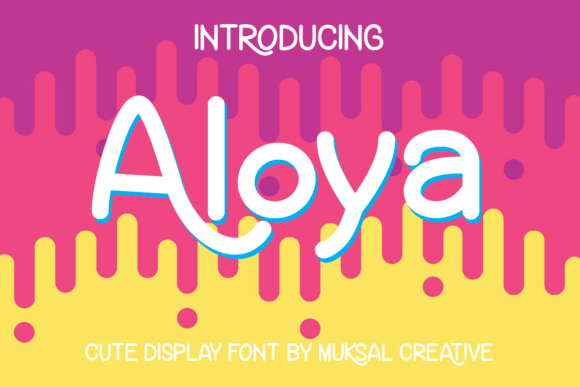
At its core, Aloya is a cute display font. It is not designed to be a workhorse for body text in a legal document; rather, it is crafted to be the visual voice of a brand that wants to speak directly to the heart. Whether you use it for cartoon related designs, children games or just any creation that requires a friendly or casual touch, this font will be an amazing choice. It strikes a balance between being decorative enough to be interesting and structured enough to be usable in modern design contexts.
Capturing the Right Tone for Your Brand
Visual communication is all about emotion. When a potential customer or reader looks at your logo or packaging, they make a judgment about your brand's personality in milliseconds. A stiff, corporate serif font might tell them you are an established bank, but it won't tell them you are a fun, innovative toy maker. Aloya fits into the niche of modern typography that prioritizes personality. Its rounded edges and slightly bouncy baseline create an immediate sense of ease. It feels like a handwritten font that has been polished for commercial use, removing the inconsistencies of actual handwriting while keeping the charm.
For branding, this is a powerful tool. If you are launching a children’s clothing line, a bakery specializing in whimsical cakes, or a mobile app for kids, this typeface sets the stage. It tells your audience that your brand is approachable and creative. It moves away from the coldness of rigid sans serif font choices and embraces a human touch. Using Aloya in your brand identity can help establish a cohesive look that feels consistent across all touchpoints, from your website header to the tags on your merchandise.
Practical Applications: From Screen to Print
A font is only as good as its versatility. While Aloya is a display font, meaning it shines brightest in headlines and logos, its applications are vast. Let’s look at how you can practically apply this premium font to your projects to enhance visual consistency and audience engagement.
Logo Design and Branding
The most obvious starting point is the logo. Because Aloya has distinct character, it works exceptionally well for wordmarks. It doesn't need a complex icon to support it; the letterforms themselves become the art. For small business owners, this is a huge advantage. You can create a memorable logo design simply by using this typeface in a specific color palette. It is particularly effective for brands targeting families, education, or lifestyle sectors that want to feel "lived-in" and warm.
Packaging and Merchandise
Think about the shelf appeal. In a sea of minimalist, black-and-white packaging, a product featuring a cute display font stands out. Aloya is excellent for packaging design, especially for product names or callouts like "New!" or "Best Seller." It draws the eye without being aggressive. Furthermore, for merchandise like tote bags, t-shirts, or mugs, this font style translates beautifully. It has a trendy, hand-crafted aesthetic that resonates well with consumers looking for unique goods.
Digital Spaces: Social Media and Web
In the fast-scrolling world of social media graphics, grabbing attention is currency. Aloya is perfect for Instagram posts, Pinterest pins, and YouTube thumbnails where you need to convey a message quickly and with personality. It pairs wonderfully with high-quality photography. On the web, using it for headers or specific landing page elements can break the monotony of standard web design typography. It adds a layer of sophistication and creativity that keeps users on the page longer, improving your site's overall feel.
Mastering Font Pairings and Hierarchy
One of the most common questions in design assets management is how to pair fonts. A display font like Aloya is bold and expressive, so it needs a partner that can step back and let it shine. If you try to pair it with another script or highly decorative font, the design will likely look chaotic and difficult to read.
The best strategy is to pair Aloya with a clean, neutral sans serif font or a simple serif font. For example, if you are designing a menu for a coffee shop, you might use Aloya for the section headers like "Pastries" or "Drinks," and then use a clean sans serif for the item descriptions and prices. This creates a clear visual hierarchy. The headers draw the customer in with a friendly vibe, while the body text ensures they can actually read the details. This approach respects readability while maximizing the aesthetic appeal of the design.
Ensuring Professional Presentation and Legibility
While style is important, function is paramount. Even the most beautiful creative font fails if the audience cannot read it. Because Aloya is designed with a friendly touch, it maintains good letter spacing (kerning), which aids in legibility. However, as with any display typeface, context matters. It is best used for headlines, sub-headers, and short bursts of text.
Avoid setting long paragraphs in this font. If you write a full blog post in a decorative script or display font, your readers will experience eye strain, leading to poor readability and a drop in engagement. Instead, use it strategically. Let it do the heavy lifting for your titles and pull-quotes. This ensures your professional presentation remains high. You want your design to look polished, not cluttered. Testing your font size on different devices—mobile phones versus desktop screens—is also crucial to ensure the "cute" details don't get lost when scaled down.
Commercial Licensing and Project Goals
Before incorporating any new typeface into your workflow, especially for commercial projects, you must understand the licensing. Most premium font foundries offer different licenses for desktop use, web use, and app use. If you are creating a digital product for sale, such as a printable invitation template, you need to ensure your license allows for the font to be embedded or distributed in that manner.
Always review the specific license agreement attached to the Aloya font files. This is a critical step for entrepreneurs and small business owners. Using fonts correctly protects you legally and supports the type designers who create these design assets. Additionally, check the font styles included. Does the typeface come with different weights or alternates? Access to stylistic alternates can give you more creative control, allowing you to swap out a letter "a" or "g" to better fit your specific editorial design or logo design needs.
Ultimately, choosing a font is about matching typography to project goals. Aloya is not the right choice for a law firm, but for a toy store, a kindergarten, a lifestyle blog, or a bakery, it is an exceptional asset. It brings a sense of joy and approachability that rigid corporate fonts simply cannot offer. By using it thoughtfully and pairing it correctly, you can elevate your creative projects and connect with your audience on a more emotional level.