Hancock: A Font That Captures Vintage Grit and Industrial Soul
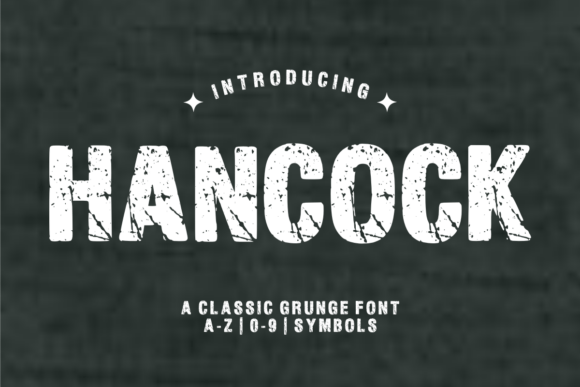
There's a certain kind of design that doesn't just catch your eye—it grabs you by the collar and refuses to let go. It feels lived-in, real, and dripping with authenticity. That's the power of a typeface like Hancock. This isn't your typical clean, digital font. It's a bold, textured display typeface that channels the raw energy of old letterpress printing, worn industrial stamps, and vintage signage. For designers and creators looking to inject their work with a rugged, masculine, and genuinely hand-crafted aesthetic, Hancock offers a direct line to that timeless, weathered look.
Understanding the Visual DNA of a Grunge Font
At its core, Hancock is a classic sans-serif structure, but what sets it apart is its high-quality grunge texture. Every letterform is built with a solid, bold weight that ensures maximum impact, but the distressed details are where the magic happens. Think of the uneven ink coverage on an old broadsheet, the chipped paint on a factory wall, or the stamped logo on a crate of tools. That's the visual language Hancock speaks fluently. It avoids the sterility of perfect, computer-generated edges, offering instead a character that feels earned and authentic. This makes it an exceptional choice for projects where you need to convey history, strength, and a no-nonsense attitude.
Where This Typeface Truly Shines: Real-World Applications
The true test of any creative font is how it performs in the wild. Hancock's personality is versatile enough for a surprising range of applications, each benefiting from its distinctive voice.
- Apparel and Merchandise: This is Hancock's home turf. For streetwear brands, motorcycle clubs, or boutique workwear labels, it creates logos and graphics that feel instantly credible and built to last. Imagine a bold "Hancock" across the chest of a heavyweight cotton tee or emblazoned on a leather jacket patch—it communicates quality and attitude without a single word of explanation.
- Music and Event Branding: Rock, blues, folk, or any genre with roots and soul finds a perfect typographic partner in Hancock. It’s ideal for concert posters, album covers, festival flyers, and band merch. The textured look mirrors the analog warmth of vinyl records and the gritty atmosphere of live music venues.
- Specialized Branding and Logos: Businesses that pride themselves on craftsmanship and tradition can leverage Hancock to build a strong brand identity. Picture it on the signage for a vintage-inspired barbershop, a craft coffee roaster, a woodworking workshop, or a no-frills gym. It tells customers you value substance and heritage.
- Packaging and Labels: For products like craft beer, artisan hot sauce, small-batch spirits, or specialty tools, Hancock can define the entire look of your packaging. It gives labels an industrial, hand-stamped feel that stands out on a shelf crowded with overly polished, generic designs.
- Digital Presence and Social Media: In the digital space, where perfection can sometimes feel cold, Hancock adds a layer of human texture. Use it for impactful blog headers, YouTube thumbnails, Instagram story graphics, or website hero sections to create an immediate, engaging focal point that stops the scroll.
Practical Advice for Pairing and Using a Bold Display Font
Working with a powerful display font like Hancock requires a bit of strategy to maximize its effect without overwhelming your design. Here’s how to approach it like a pro.
Choose the Right Context: Hancock is a headline font, not a body text font. Its strength is in large, impactful statements. Use it for titles, logos, short taglines, or key phrases where you want to inject personality. For longer paragraphs, pair it with a clean, highly readable sans-serif or serif font. A simple pairing like Hancock for headlines with a font like Open Sans or Lora for body copy creates a beautiful contrast that maintains both impact and readability.
Test Your Pairings Extensively: Before finalizing a design, test how Hancock interacts with other typefaces in your project. Does the weight feel balanced? Is there enough visual hierarchy? Sometimes, a slightly less bold secondary font works best to let Hancock remain the star of the show.
Consider the Color Palette: Grunge textures often look their best on muted, earthy tones or stark black and white. They can get lost on overly bright or complex backgrounds. Think about how the distressed details will interact with your color choices—sometimes a simple, solid color block is the best canvas to let the font's character shine.
Review the Included Files: Understanding what you're getting is key. Hancock typically comes in both .otf (OpenType) and .ttf (TrueType) formats, ensuring compatibility with virtually any software. The character set usually includes full uppercase letters, numbers, and essential punctuation, which is perfect for the bold, statement-making uses it's designed for.
Understand the License: If you're using the font for commercial projects—which you likely are—always double-check the license agreement. A quality premium font will come with clear terms that allow you to use it for client work, merchandise, and digital products without legal headaches. This is a crucial part of professional design work.
More Than Just a Font: A Tool for Visual Storytelling
Ultimately, choosing a typeface like Hancock is a strategic decision about the story you want your brand or project to tell. It’s a design asset that does more than display words; it evokes a feeling and establishes a mood instantly. In a world saturated with sleek, minimalist typography, the deliberate use of texture and grit can be a powerful differentiator. It helps build brand recognition by creating a unique and memorable visual signature. It improves professional presentation by showing a thoughtful, curated approach to every detail. And it boosts audience engagement by connecting on an emotional level with people who appreciate authenticity and craftsmanship.
Whether you're designing a logo for a new startup, laying out a poster for a local event, or creating a line of merchandise, having a typeface like Hancock in your toolkit gives you the power to communicate with confidence and character. It’s not about being loud; it’s about being unmistakably real.