Red Blood: The Quirky Display Font with Serious Versatility
Sometimes a typeface arrives that doesn't just sit quietly in the background—it makes an entrance. Red Blood is that kind of font. With its distinctive character and unexpected charm, this display typeface has a way of catching eyes and holding attention. It's not your typical workhorse font, and that's precisely what makes it so valuable when you need something that stands apart from the sea of predictable choices crowning today's design landscape.
What Makes Red Blood Visually Distinctive
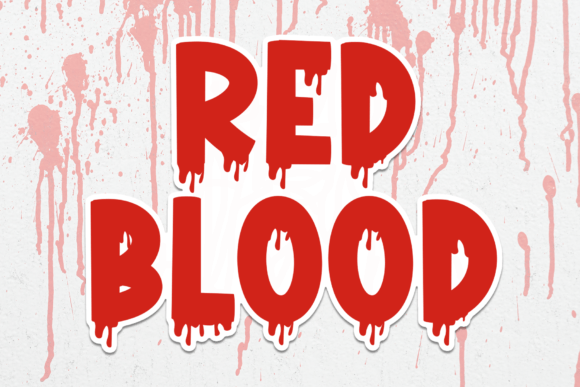
At its core, Red Blood is a premium font that balances quirkiness with readability in a way that feels genuinely refreshing. The letterforms carry subtle irregularities that give text a handcrafted, almost organic quality without sacrificing clarity. You'll notice the characters have personality—slightly unexpected curves, interesting weight distribution, and a rhythm that keeps the eye moving forward rather than stumbling over awkward kerning or confusing shapes.
This isn't a font that tries to mimic handwriting or replicate a vintage aesthetic. Instead, it occupies its own creative space, offering designers something that feels contemporary yet timeless. The visual texture it brings to headlines, logos, and short blocks of text creates an immediate sense of character that more neutral typefaces simply can't deliver.
Where Red Blood Truly Shines
The beauty of a display font like Red Blood lies in its adaptability across wildly different contexts. Here's where designers and creators are finding it particularly effective:
- Branding and Logo Design: When a brand needs to communicate creativity, confidence, or a slightly rebellious edge, Red Blood delivers. It works beautifully for creative agencies, boutique studios, artisan food brands, and lifestyle companies that want their identity to feel approachable yet distinctive.
- Packaging Design: On shelf, packaging needs to communicate fast. Red Blood's unique letterforms create instant visual interest on product labels, box designs, and wrapping—especially for craft beverages, specialty foods, and handmade goods.
- Social Media Graphics: In feeds crowded with generic sans serif overlays, Red Blood cuts through the noise. It photographs well, scales cleanly to mobile screens, and adds personality to quote graphics, promotional posts, and story templates.
- Editorial Layouts and Blog Design: Used sparingly for pull quotes, section headers, and feature titles, this font brings editorial pages to life without overwhelming body copy. Bloggers and online publishers appreciate how it elevates visual hierarchy instantly.
- Posters and Event Materials: From music festivals to gallery openings, Red Blood carries the kind of visual weight that makes posters memorable. Its quirky personality suits creative events, markets, and launches where atmosphere matters.
- Merchandise and Invitations: Whether you're designing wedding invitations with personality or creating merch for a creative brand, this typeface adds a handcrafted touch that feels intentional rather than generic.
Pairing Red Blood with Other Typefaces
One of the most practical considerations when adopting any creative font is how it plays with others. Red Blood works best as the star of the show—think headlines, hero text, and display applications—while letting a cleaner companion handle longer passages.
For body text, consider pairing it with a readable sans serif font that offers strong contrast without competing for attention. A clean geometric sans serif creates an interesting dynamic, letting Red Blood's personality pop against a more neutral backdrop. Alternatively, pairing it with a simple serif font can create a sophisticated editorial feel, particularly effective for magazine-style layouts or premium brand materials.
The key principle here is contrast. If Red Blood brings the flair, your supporting typeface should bring calm. Avoid pairing it with other highly decorative or script fonts, which creates visual chaos rather than intentional hierarchy. Test your combinations at multiple sizes and on different screens—what looks balanced on a desktop monitor might feel cramped on a smartphone.
Readability and Practical Application
Let's address something directly: display fonts demand thoughtful implementation. Red Blood excels at larger sizes where its character details can breathe and be appreciated. At small sizes, some of its personality gets lost, and legibility can suffer—this is true of virtually every display typeface, not a flaw specific to this one.
For web design, use it strategically in hero sections, navigation labels, and call-to-action buttons where text remains short and impactful. For print materials, it's exceptional on business cards, letterheads, and marketing collateral where you want brand recognition through typography alone.
When reviewing the included font styles, pay attention to what weights and variations are available. Understanding the full range of options within the typeface family helps you make informed decisions about which version suits each specific application. Some projects might call for a bolder weight for maximum impact, while others benefit from something lighter and more refined.
Building Visual Consistency Across Projects
One of the most underrated benefits of choosing a distinctive typeface early in a brand's development is the consistency it creates across every touchpoint. When Red Blood becomes part of your brand identity, every piece of communication—from email headers to packaging inserts—carries the same visual DNA.
This consistency builds recognition. Your audience starts associating that particular typographic voice with your work, even before reading a single word. It's a subtle but powerful form of brand communication that works across digital products, marketing assets, and physical materials alike.
For small business owners and entrepreneurs managing their own design work, having a go-to display font that works across contexts simplifies decision-making enormously. Instead of hunting for new typefaces for every project, you develop a reliable typographic system where Red Blood handles the expressive heavy lifting while your supporting fonts manage the everyday communication.
Commercial Use and Licensing Considerations
Before incorporating any commercial font into client work or your own business materials, always review the licensing terms carefully. Understanding whether the license covers web embedding, print production, merchandise creation, and client deliverables protects you legally and ensures you're using the typeface appropriately.
Most premium fonts come with clear licensing structures, but the specifics vary. If you're a designer working across multiple client projects, confirm that your license accommodates that workflow. If you're a business owner using the font for your own brand, standard commercial licensing typically covers standard applications. When in doubt, reach out to the font creator or distributor for clarification—it's always worth the extra step.
Red Blood represents the kind of design asset that pays dividends over time. Its distinctive personality means your materials won't blend into the background, and its versatility means you'll find new applications for it as your projects evolve. Whether you're building a brand from scratch or refreshing an existing identity, this quirky display font offers a genuine creative edge that's worth exploring.