Unleashing Playful Energy with the Japanese Pattern Typeface
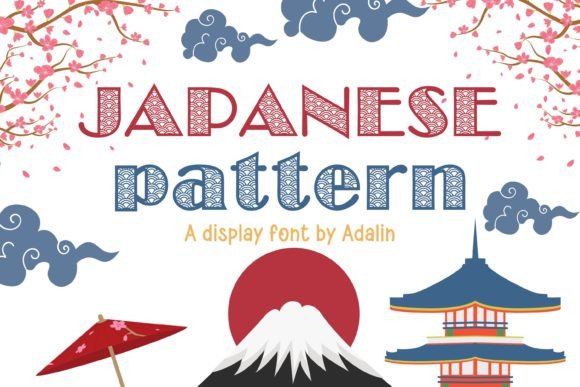
Imagine a design that instantly sparks joy—a layout that feels vibrant, energetic, and culturally rich without being overly complex. In the world of visual communication, finding a typeface that balances uniqueness with readability can be a challenge. Many designers struggle to find a font that stands out on a crowded shelf or a busy social media feed while still maintaining a professional edge. This is where the right creative font becomes a secret weapon. The Japanese Pattern font is exactly that kind of tool: a decorative display typeface that brings a cheerful, playful accent to any project. It is not just about the letters themselves, but the personality they inject into your work, making it ideal for everything from book covers to merchandise.
More Than Just a Typeface: Capturing a Vibe
When we talk about modern typography, we often focus on clean lines and minimalism. However, there are moments in design where you need to break the mold. The Japanese Pattern typeface is designed to do just that. It captures a sense of fun and movement that static, standard fonts often lack. Think of it as a visual exclamation point. Whether you are working on a packaging design for a new snack brand, creating a logo for a boutique shop, or designing a poster for a local festival, this font offers a distinct visual identity.
The appeal lies in its ability to communicate emotion immediately. A sans serif font might tell you what a product is, but a display font like Japanese Pattern tells you how it feels. It suggests playfulness, creativity, and a break from the mundane. For small business owners and entrepreneurs, this is invaluable. You aren't just selling a product; you are selling an experience. Using a typeface that feels bespoke and thoughtfully chosen helps build that narrative. It signals to your audience that you care about the details, which builds trust and brand recognition.
Practical Applications: Where Playfulness Meets Purpose
A common hesitation with decorative fonts is the fear of limited usability. However, the Japanese Pattern font is surprisingly versatile when applied correctly. It is a premium font asset that shines in specific contexts where visual impact is the priority.
For instance, consider the world of packaging design. On a supermarket shelf, products have milliseconds to grab a customer's attention. A logo design utilizing the bold, cheerful curves of this typeface can make a product jump off the shelf. It works exceptionally well for food and beverage branding, children’s products, or lifestyle goods where a "happy" aesthetic is required.
Beyond physical products, the digital landscape offers endless opportunities. Social media graphics are a battle for the scroll-stop. Content creators and marketers can use this font for Instagram stories, TikTok overlays, or YouTube thumbnails to create an immediate visual hook. It pairs beautifully with photography, acting as a layer of graphic design that doesn't just label the image but enhances its mood.
Furthermore, think about event collateral. If you are designing invitations for a birthday party, a casual wedding, or a community event, the Japanese Pattern typeface sets the tone instantly. It tells guests that the event will be fun and relaxed. Similarly, in editorial design, such as magazine headlines or book covers, this font can break up the monotony of standard text, adding a dynamic rhythm to the page layout.
Strategic Pairing and Readability
One of the most critical aspects of using a display font effectively is understanding how to pair it. Because Japanese Pattern is distinct and decorative, it demands a partner that can play a supporting role without fighting for attention. This is where the classic hierarchy of typography comes into play.
If you use Japanese Pattern for your headlines or logos, you need a clean, neutral companion for your body text. A simple sans serif font or a highly legible serif font works best here. For example, pairing a playful header with a clean sans serif like Helvetica or Open Sans ensures that your message remains readable. The contrast creates a dynamic visual hierarchy: the decorative font draws the eye, and the clean font delivers the detailed information.
Readability is paramount. While Japanese Pattern is excellent for short bursts of text—like a logo, a headline, or a call-to-action button—it is not designed for long-form paragraphs. Trying to read 500 words in a heavy decorative font causes eye strain and dilutes the font's impact. The rule of thumb for this type of creative font is: use it sparingly to maximize its effect. Let it be the "spice" of your design, not the main ingredient.
Building a Brand Identity with Distinct Typography
For entrepreneurs and brand strategists, font choice is a cornerstone of brand identity. The typography you select becomes a voice for your brand. A brand that uses a rigid, corporate font sounds different than one using a handwritten font or a playful display typeface.
Choosing the Japanese Pattern font suggests that a brand is approachable, energetic, and perhaps a bit quirky. It works well for personal brands, creative agencies, or lifestyle startups that want to distance themselves from the stiff corporate look. When applied to merchandise—such as tote bags, t-shirts, or stickers—this font becomes a recognizable symbol. Fans of a brand often identify with the visual aesthetic just as much as the product itself.
However, consistency is key. Once you decide on this font for your branding, it should be integrated across all touchpoints. From your website headers to your email marketing assets, maintaining the same typographic voice helps solidify brand recognition. It creates a cohesive ecosystem that feels intentional and professional, even if the style is casual.
Navigating Licensing and Final Polish
Before you finalize your design, there is one practical step that is often overlooked: licensing. If you are using Japanese Pattern for a commercial project—whether it’s a client’s logo, a product for sale, or marketing materials—you must ensure you have the correct commercial font license. Most premium fonts come with different tiers of licensing depending on the usage (e.g., desktop vs. web vs. app). Checking this detail protects you legally and ensures the font creator is compensated for their work.
Additionally, always review the specific styles included with the font family. Does it come with bold or italic variations? Does it include special ligatures or multilingual support? Knowing these details allows you to utilize the typeface to its full potential.
In the end, design is about communication. The Japanese Pattern font is a tool for communicating joy, creativity, and energy. It doesn’t fit every scenario, but for the right project, it transforms a standard layout into something memorable. Whether you are a hobbyist crafting a scrapbook or a professional designer working on a high-stakes campaign, embracing a typeface with this much personality can be the spark that brings your entire vision to life. Don't be afraid to experiment; sometimes the best design choices are the ones that simply make you smile.