Why Honeymoon Is the Font Your Wedding Stationery Dreams Of
Picture this: you’ve spent months curating the perfect mood board for your wedding. The florals are soft, the venue is elegant, and the color palette is a whisper of blush and sage. Now comes the moment to translate that vision onto paper—the invitations, the place cards, the thank-you notes. You need a typeface that doesn’t just display words, but evokes a feeling. A font that feels like a handwritten love letter, yet is polished enough for professional printing. This is where a specific handwritten font enters the scene, designed not to shout, but to sing with a gentle, amiable charm.
A Typeface with a Genuinely Sweet Disposition
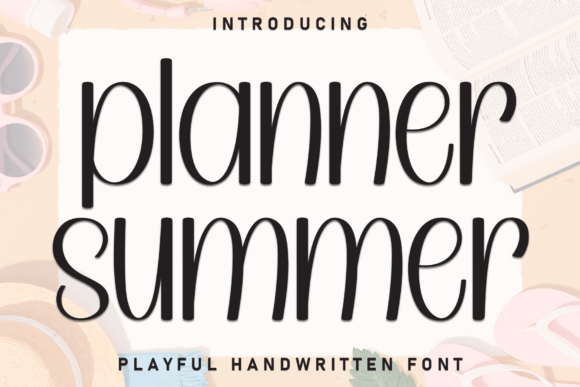
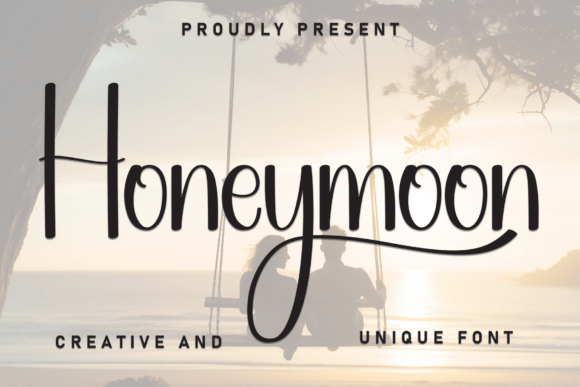
Forget the overly formal scripts that feel stiff or the casual doodles that lack sophistication. The essence of this particular display font lies in its balance. Each letterform carries the warmth of a personal touch, with subtle, fluid connections that mimic natural handwriting. It’s not a rigid serif font or a stark sans serif font; it’s a script font that breathes. The curves are soft, the strokes have a gentle bounce, and the overall texture is one of effortless elegance. This isn’t just typography; it’s visual poetry, perfectly suited for narratives steeped in sentiment and celebration.
From Digital Design to Tangible Keepsakes
The true test of a creative asset is its versatility. Where does a font with such a distinct personality shine brightest? Its applications are surprisingly broad, moving seamlessly from digital screens to physical objects.
- Invitations & Stationery: This is its natural habitat. Wedding suites, bridal shower invites, baby announcements, and milestone birthday cards gain an immediate layer of heartfelt personality. The text becomes part of the gift itself.
- Branding for Boutiques & Creatives: Imagine a bakery logo, a florist’s menu, or the brand identity for a wedding photographer. This font instantly communicates approachability, craftsmanship, and care—key traits for small businesses in the lifestyle and creative sectors.
- Packaging with a Personal Touch: For artisanal products like candles, jams, or skincare, labeling set in this typeface can transform a simple jar into a curated experience. It tells customers there’s a story and a human behind the product.
- Social Media & Web Design: Use it for hero images on a website, Instagram quote graphics, or Pinterest pins to create a cohesive, warm aesthetic. It’s particularly effective for social media graphics that aim to stop the scroll with a touch of elegance.
- Editorial Layouts & Marketing Assets: Think magazine pull quotes, blog post headers for a lifestyle site, or elegant sale announcements. It adds a decorative flourish without sacrificing the overall professional presentation of the layout.
When used thoughtfully, this kind of premium font doesn’t just decorate; it communicates. It helps build brand recognition by creating a consistent and memorable visual voice. Customers begin to associate that unique, friendly lettering with your specific brand’s promise of quality and charm.
Practical Guidance for Using a Display Script
Choosing the right font style is only the first step. Integrating it effectively into your project requires a bit of strategy to ensure it enhances, rather than hinders, your message.
Master the Art of Pairing: A decorative script like this should rarely be used for long paragraphs of body copy. Its strength is in headlines, logos, and short bursts of text. Pair it with a clean, highly readable sans serif font for supporting text. For example, use the script for a wedding invitation’s names and a simple sans serif for the date, time, and location details. This creates a beautiful hierarchy and ensures readability at a glance.
Context is Everything: Always consider the medium. On a website, ensure the font size is large enough to render clearly, especially on mobile devices. For print, request a proof to check how the letters reproduce on your chosen paper stock. The delicate, connected strokes of a handwritten font can sometimes fill in on very textured or low-quality paper.
Leverage the Full Toolkit: A well-designed creative font often comes with more than just the basic alphabet. Look for extras like:
- Alternate Characters: These can give you different versions of key letters (like a fancy ‘g’ or ‘y’) to avoid repetition and add custom flair.
- Ligatures: Special combined characters (like ‘th’ or ‘st’) that flow together more naturally, enhancing the handwritten effect.
- Swashes & Ornaments: Decorative flourishes that can be used at the beginning or end of words for extra embellishment.
Understand the License: Before using any commercial font, always verify the licensing terms. Most reputable fonts allow for use in both personal and commercial projects (like client work or products for sale), but it’s crucial to confirm this aligns with your specific needs, especially for large-scale marketing assets or merchandise.
Infusing Heart into Every Project
In a digital landscape crowded with generic typography, a font that carries genuine warmth is a powerful design tool. It’s more than just a collection of glyphs; it’s a conduit for emotion. Whether you’re a designer crafting a brand identity, an entrepreneur designing packaging, or a bride-to-be envisioning the perfect stationery, the goal is to connect. A typeface with an “irresistibly amiable character” does exactly that. It doesn’t just present information; it tells a story, inviting your audience into a narrative that feels personal, joyful, and uniquely yours. By choosing typography that aligns with your project’s soul, you transform a simple design into a resonant experience.