Chiller Mark: A Font That Bites Back
There’s a certain kind of design project where clean, corporate fonts just won’t do. When you’re building the visual identity for a haunted attraction, creating a horror film poster, or designing a Halloween merch line, you need typography that doesn’t just sit on the page—it lurks, drips, and screams. You need a typeface with a personality as bold and jagged as the themes it represents. This is where a specialized display font becomes an invaluable tool, one that instantly communicates a specific, visceral mood without a single word of explanation.
More Than Just a Scary Typeface
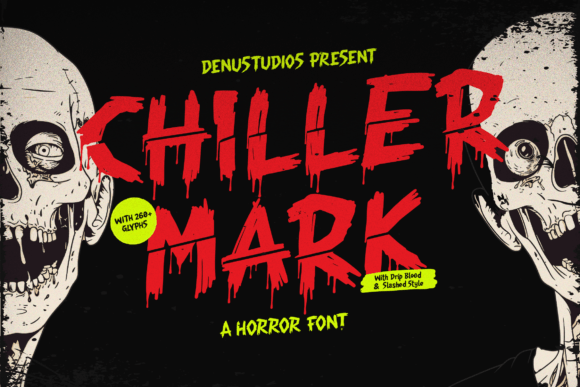
At its core, Chiller Mark is a premium display font engineered for maximum impact in horror and Halloween-themed contexts. But to call it simply "scary" is to undersell its utility. This is a character set built with intention. Each letterform features a slashed, jagged construction that looks as if it were carved with a hunting knife, while the drips of blood suggest a story of dread that’s still unfolding. With over 260 glyphs, it offers a robust toolkit—including alternates, swashes, and extended language support—that allows for nuanced, customized compositions. This isn't a one-note trick font; it's a versatile design asset for creators who understand that in certain genres, the typography is the atmosphere.
Where This Horror Font Truly Shines
The practical applications for a font like Chiller Mark extend far beyond a single Halloween flyer. Its visual DNA makes it a powerful ally across numerous creative and commercial projects. Think about the branding for a local haunted house. The title on the poster, the signage inside the attraction, the wristbands, and the social media teasers all need to deliver a consistent, spine-tingling promise. Using this typeface across all those touchpoints creates instant brand recognition and sets the perfect expectation.
For small business owners and entrepreneurs in the horror niche—selling custom t-shirts, enamel pins, or horror-themed candles—consistent use of a distinctive font like this becomes a cornerstone of your brand identity. It signals to your audience exactly what you’re about before they even read the product description. Content creators and podcasters can leverage it for thumbnail graphics, episode art, and website headers to immediately establish their show’s genre and tone, attracting the right listeners.
Consider these specific uses where its bold, graphic nature delivers real value:
- Logo Design & Brand Identity: Crafting a logotype for a horror podcast, a spooky dessert shop, or a Halloween event management company.
- Packaging & Merchandise: Designing labels for "witch’s brew" hot sauce, packaging for horror movie collector’s editions, or artwork for band merch.
- Marketing & Social Media: Creating eye-catching Instagram stories, Facebook event covers, YouTube banners, and email newsletter headers for seasonal promotions.
- Print & Editorial: Laying out horror anthology book covers, magazine features on haunted locations, or invitations for a murder mystery dinner party.
- Digital Products & Web Design: Developing the UI for a horror-themed mobile game, a spooky blog layout, or the sales page for a Halloween digital download bundle.
Pairing for Power: Practical Typography Advice
A display font with this much personality demands careful handling. Its strength is in headlines, titles, and short, impactful phrases. For body text, readability is paramount. This is where smart font pairing comes in. You wouldn’t set a paragraph of instructions in Chiller Mark—its jagged edges would create visual noise. Instead, pair it with a highly legible sans serif font for supporting copy. A clean, modern sans serif provides a calm, stable counterpoint, allowing the horror display font to command attention without overwhelming the viewer.
Always test your pairings in context. Place your Chiller Mark headline over its intended background—a dark, textured image or a solid color—and see how the drips and slashes interact with the rest of your design elements. Check the kerning (the space between individual letters) to ensure the text remains legible, especially at smaller sizes. Most importantly, consider your audience and platform. A design for a printed poster has different requirements than a social media graphic viewed on a tiny phone screen. The bold weight of this font generally holds up well, but always preview at the intended final size.
Choosing Your Tools: Licensing and File Formats
When investing in a commercial font, understanding the licensing is crucial. A reputable premium font will come with a clear license that outlines permitted uses. For most small businesses and freelancers, a standard desktop license covers use in logos, printed materials, and static digital images. If you plan to use the font in a mobile app, website (via @font-face), or on-demand printing service, you may need an expanded license. Always read the EULA (End User License Agreement) provided by the seller to ensure your project is covered. This protects both you and the font designer.
Look for a font package that includes versatile file formats. .OTF (OpenType) and .TTF (TrueType) are standard for desktop installation. .WOFF and .WOFF2 are essential for web use. Having multiple formats ensures you can seamlessly integrate the typeface into any workflow, from Adobe Illustrator and Photoshop to Canva and your website’s CMS. The inclusion of stylistic alternates and swashes within the font file, as seen in a comprehensive set like Chiller Mark, adds significant creative flexibility, allowing you to customize words and avoid repetitive letter shapes for a more authentic, hand-crafted feel.
In the end, typography is a silent ambassador for your project’s mood. For designs that need to evoke a specific, chilling thrill, settling for a generic font is a missed opportunity. A carefully crafted horror display typeface does the heavy lifting of setting the tone, building brand cohesion, and engaging your target audience on an emotional level. It transforms a simple title into a promise of the experience to come, whether that experience is a fun scare, a thrilling story, or a killer product. When the brief calls for fear, make sure your font can deliver the scream.